
How to Write a Monster Romance Love Interest
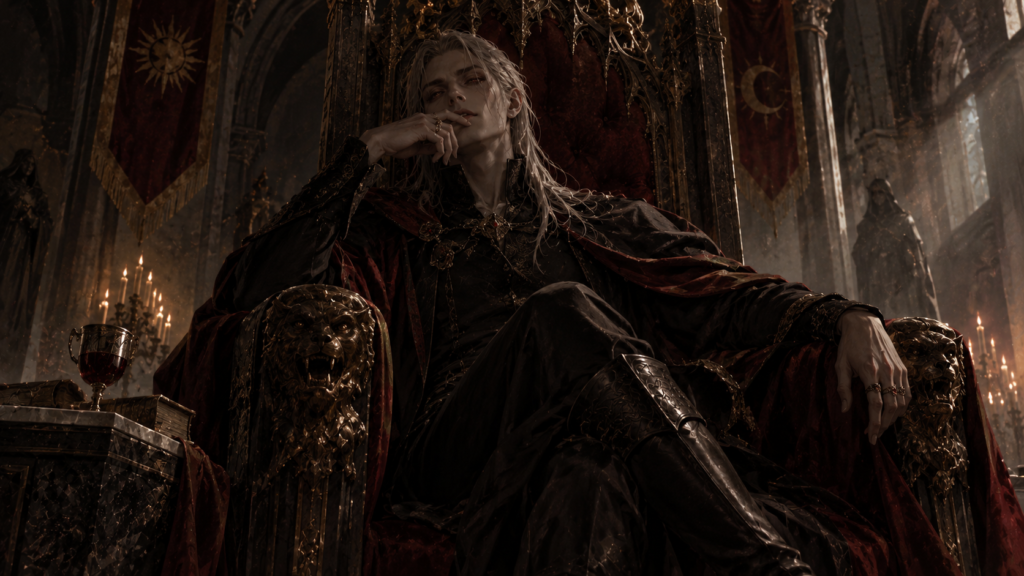
Table of Contents
If you’ve been typing “how to write a monster romance love interest” into Google at midnight while your half finished chapter stares back at you, you’re not alone, and you picked a good week to figure it out. Monster romance is having one of the biggest moments it’s ever had right now, and with spooky season in full swing, readers are actively hunting for exactly this kind of story. So for today’s post, I’m breaking down how to write a monster romance love interest that feels genuinely dangerous to everyone else in your world and genuinely safe to the one person he’s chosen, without the whole thing tipping over into straight horror or accidentally becoming a comedy.
I’ve spent a long time building out craft resources for fantasy and romance writers, and one thing I keep noticing is that most advice on this topic doesn’t always get into the nitty-gritty of what actually makes a monster love interest compelling to readers. If you want a monster love interest readers actually think about days after they close the book, there’s a lot more going on underneath that.
One quick resource I recommend for building out a monster/creature character in any story is this Canva template that has multiple pages, is fully customizable, and lets you basically design a monster or creature from the ground up and genuinely understand how they slot into the rest of your world. You can check out this Canva template here.
Not Sure Which Genre is Right For You? 🤔
Sign up and get access to a free Genre Exploration Quiz today and find out your answer!
What “Monster” Actually Means in Romance
The first thing to get straight is that monster romance is not horror with kissing bolted on. Horror wants you to fear the creature. Monster romance wants you to fear the creature on behalf of everyone except your heroine. That’s a completely different job for your prose to do, and it changes almost every choice you make from here on out.
Your monster can be anything: Minotaurs, krakens, demons, gorgons, wendigos, dragons in human skin, vampires, werewolves… whatever ultimately fits your world. What matters isn’t the species, it’s the function he serves in the story. He needs to be someone the rest of the world has every reason to run from, and someone your heroine has every reason to stay for. If either half of that equation is missing, the whole trope collapses. Take away the danger and you just have a moody guy who happens to be non-human. Take away the softness and you’ve written a slasher villain.
I’d also gently push back on the idea that “monster” always means literal creature. Plenty of successful monster romance leans into psychological monstrousness too, a character who is monstrous in what he’s capable of and what he’s done, even if his body reads as human. If that’s more your speed, most of what’s below still applies. The mechanics are the same even when the fangs are metaphorical.
The Core Tension That Makes the Trope Work
The engine underneath every good monster romance is one specific contrast: he is enormous, dangerous, and completely unbothered by hurting anyone else, and then he is careful, restrained, and almost reverent with her. That contrast is the whole appeal. Readers aren’t showing up for the monster part alone. They’re showing up to watch a creature capable of real destruction choose, again and again, not to be destructive with the one person he wants.
This means you need to actually show the danger somewhere in the story, not just tell us about it. If your monster is supposedly terrifying but we never see him be terrifying to anyone, the softness with your heroine means nothing because there was never anything to contrast it against. Give him a scene, even a small one, where his power or his violence is real and directed at someone who isn’t her. A rival, a threat, an old enemy, doesn’t matter. Once readers have seen what he’s capable of, every gentle moment with your heroine carries ten times the weight.
On the flip side, don’t let the restraint disappear once the relationship starts. A common mistake is spending the first act establishing how controlled and careful he is, then forgetting about it the moment the romance kicks in. The restraint should cost him something the entire book. He should have to actively choose gentleness in moments where his instincts are pulling him somewhere else. That ongoing effort is what keeps the tension alive instead of resolving too early.
Give Him an Anatomy and Instinct That Actually Matters
One of the more common mistakes I see is writers designing a monster that looks interesting on the surface but functions exactly like a human underneath. If your love interest happens to have horns and claws but reacts to every situation exactly like a person would, readers will feel that disconnect even if they can’t name it.
Think through a few things before you start writing him on the page:
- Does his body give him instincts a human wouldn’t have? Heightened senses, a different relationship to touch, physical tells he can’t fully control when he’s near her?
- Does his species have its own internal logic around bonding, mating, or attachment that isn’t just borrowed from human dating norms?
- What is physically or socially costly about him wanting her? Does his kind view humans as prey, property, or something forbidden entirely?
This is exactly the kind of thing my Ultimate Guide to World Building walks through in a lot more depth, especially the sections on non-human cultures and how physical difference should shape behavior and belief, not just appearance. And if his powers or instincts are tied to something magical rather than purely biological, my Magic System Builder Canva Template is built for exactly this kind of world logic work, mapping out where his abilities come from, what they cost him, and how the people around him respond to that.
Pace the Romance So the Tension Actually Builds
Monster romance lives and dies on pacing. The touch-starved arc, which is one of the defining features of the genre right now, only works if you resist the urge to rush it. Readers want the slow accumulation of almost-touches, restrained moments, and small victories before anything happens between your leads.
A useful way to think about it is in stages. Early on, physical closeness should feel dangerous or forbidden in some way, even if it’s just a hand brushing against claws he usually keeps sheathed. In the middle, let something shift, maybe he allows a kind of contact he wouldn’t allow with anyone else, or she stops flinching at something that used to terrify her. By the time you get to your big emotional or physical turning point, it should feel earned because of everything that built up to it.
If you find your draft jumping straight into intimacy without that build, it usually means the tension in your earlier chapters wasn’t doing enough work. Go back and look for places where you can add friction.
The Two Ways This Trope Goes Wrong
There are really only two failure modes here, and almost every weak monster romance falls into one of them:
The first is horror bleed, where the story leans so hard into the monster’s danger that readers stop rooting for the romance and start wondering why the heroine hasn’t left yet. This usually happens when the author confuses “dangerous” with “actively threatening to the heroine specifically.” He can be a threat to the world. He should almost never be a real threat to her once the bond has started forming, or you’ve written a story about an abusive relationship instead of a romance.
The second is camp bleed, where the monster’s more unusual traits get treated as a joke, intentionally or not. This tends to happen when writers get uncomfortable with the stranger parts of their own concept and start undercutting them with humor to soften the weirdness. A little levity is fine and often welcome, but if every unusual trait comes with a wink at the reader, the emotional stakes never get to land.
The fix for both is the same: Take your monster’s nature seriously on the page, even when it’s inconvenient for the plot, and never let the heroine’s safety with him feel like an accident or a stroke of luck. It should feel like a choice he makes.
Give Him an Interior Life
Here’s the part that separates a forgettable monster love interest from one readers can’t stop talking about: He needs wants, fears, and a history that has nothing to do with the heroine. What did his life look like before she showed up? What does he actually want, separate from wanting her? What is he most afraid of becoming, or afraid of losing?
A monster who exists purely as a romantic prop, however visually interesting, will always feel thinner than one who has his own internal conflict running alongside the romance plot. Maybe he’s spent his whole life being feared and has quietly accepted that as his only possible role in the world. Maybe there’s a version of himself he’s terrified she’ll eventually see. Maybe his own people would consider his feelings for her a betrayal.
This is the kind of character depth work my Ultimate Character Creation Guide and Workbook is built around, taking a character from a cool concept to someone who feels like a full person on the page, with internal contradictions and a believable emotional arc. It’s especially useful for love interests like this one, where you’re balancing external danger with internal vulnerability at the same time.
A Few Tropes Worth Considering
You don’t need to reinvent monster romance from scratch, and honestly you shouldn’t try to avoid tropes entirely. Readers come to this genre because they want specific emotional beats. A few that tend to work well together:
Fated mates, where some force outside their control has bound them, which raises the stakes of the “should we even be doing this” tension.
Size or power difference, which reinforces the core contrast of danger to the world and safety to her.
Enemies to lovers, especially useful if his kind and her kind are historically opposed.
Forbidden bonds, where either his society or hers would punish the relationship if discovered.
Pick what fits your world rather than stacking all of them in, and remember that a familiar trope executed with real emotional specificity will always outperform an “original” idea executed without any.
How to Write a Monster Romance Love Interest: The Quick Recap
- Decide what your monster is dangerous to, and make sure it isn’t primarily your heroine.
- Give him a body, instinct set, or magic system that behaves differently than a human’s, and let that difference shape his choices.
- Show his danger on the page at least once before leaning on his softness.
- Build the romance slowly, using restraint and almost-touches to create tension before anything physical happens.
- Avoid horror bleed by keeping the heroine safe with him specifically, and avoid camp bleed by taking his nature seriously.
- Give him wants and fears that exist independently of the heroine.
- Choose a small handful of tropes that reinforce your core tension rather than trying to include all of them at once.
Conclusion
When it comes to writing a monster romance, the love interest is the reason why readers are drawn in. Your world is important and so is the writing style, but if your love interest doesn’t compel readers to keep going, then there’s an issue and it’s going to show as a flaw on your overall story. Think about popular novels like Twilight. I’m not the biggest fan of Twilight, but if you think about why Twilight succeeded, it’s pretty clear that it comes down to the love interests. Remember when everyone was divided over being Team Edward or Team Jacob? That’s the whole idea! The love interests are both paranormal creatures (vampire vs werewolf) and the core of the story relates heavily to these elements.
Readers got invested pretty quickly because there is something to keep coming back to. Edward is a vampire, and that ultimately has consequences for the main character. There is tension between the werewolves and the vampires. Bella is caught between these worlds and there is tension in that. The love interests propel the story forward while also having their own backstories and problems.
✨ Write Stories Readers Fall in Love With
Join hundreds of writers weekly insights and tools and turn your ideas into living worlds! Plus, get the free ultimate marketing checklist for authors when you join!
📥 Includes: The Ultimate Writer’s Marketing Checklist (PDF)
Thank you!
You’re now officially part of the writing frontier! Be sure to check your inbox (if you can’t find our emails, be sure to also check Spam).
Here’s your free marketing checklist, click here 👉 Ultimate Marketing Checklist for Authors
FAQs
The key difference is where the danger is pointed. Horror wants the reader to fear the creature. Monster romance wants the reader to fear the creature on behalf of everyone except the heroine, while trusting that he’ll never turn that danger on her.
Not necessarily on the page, but you should understand it yourself. Readers don’t need a full anatomy lesson, but they will notice if his instincts, senses, or physical needs never seem to affect how he behaves.
Slower than you probably think. The touch-starved tension that defines the genre depends on restraint building over many chapters. If intimacy happens too early, you lose the payoff that made the trope appealing in the first place.
Generally, once the bond starts forming, he shouldn’t be a genuine threat to her specifically. Danger to the world around them keeps the stakes real, but ongoing danger to her personally reads as an unhealthy relationship rather than a romantic one.
They overlap but aren’t identical. Romantasy is a broader blend of fantasy and romance where world and relationship carry equal weight. Monster romance is more specifically about a non-human or partially non-human love interest and the emotional dynamic that creates. Both can exist in the same story though. Monster romance does tend to fall into paranormal romance though.
Designing a monster that looks interesting but reacts to every situation exactly like a human would. If his instincts, culture, or physical nature never actually shape his choices, the concept ends up feeling decorative instead of meaningful.
He can absolutely be human-shaped. Plenty of monster romance leans on psychological monstrousness, characters who are dangerous because of what they’ve done or what they’re capable of, even without literal claws or fangs.
A little can work well, but be careful that it doesn’t undercut every unusual trait he has. If every strange or dark detail gets a joke attached to soften it, readers won’t take the emotional stakes seriously either.