
How to Write an Amazing Holiday Romance Story!
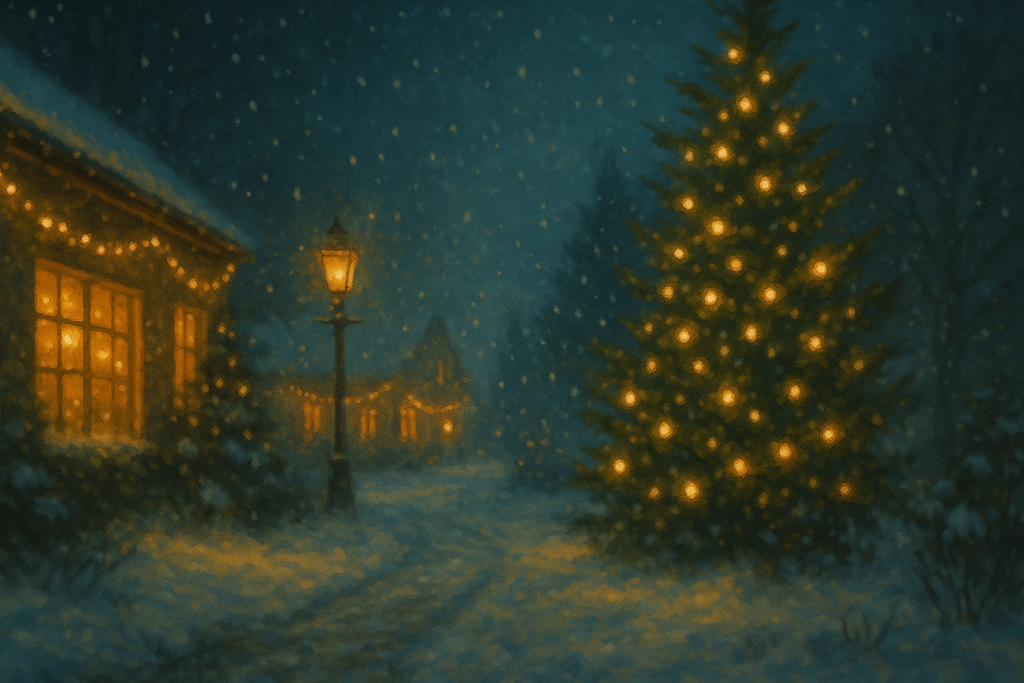
Table of Contents
If you’ve ever seen Christmas-themed movies or really any winter holiday film before, you’ll probably recognize the age-old small town romance story that takes place over Christmas. It’s a pretty common and popular style and there’s definitely one company in particular (cough, cough, Hallmark) that loves to make these movies. But it’s not just Hallmark movies, the entire concept of holiday romance is a HUGE subgenre in romance. These stories blend things like the atmosphere of the season with romance, creating something that feels unique, exciting, and special. A holiday romance isn’t just a story that’s set during a festive time of the year, but it’s a story that’s shaped by the idea of holidays being a catalyst for change. So, for today’s post, since we’re already in the holiday season, I’ll be breaking down what a holiday romance is and how to write a holiday romance as well.
As someone that’s been writing for over ten years (check out my books by the way), I personally have always had a love for the genre of romance. Although most of the books I read and write are more epic and grimdark fantasies or sci-fis, I still enjoy romance and read romantasy and other genres like it all the time. So, romance is something that I appreciate and acknowledge the popularity of. One of the biggest literary genres ever has always been romance, so it’s a big deal. That’s why I’ve curated these 10 free romantasy writing prompts to help you kickstart your journey! Be sure to sign up below to grab these free prompts.
Want to Write a Romantasy Book That Works?
Sign up right now and get 20 free premium writing prompts to kickstart your next romantasy adventure!
Thank you!
You have successfully joined our subscriber list.
And if you want to start writing even more romance, you can check out my Ultimate Guide to Writing Romance today. It’s a 120+ page workbook with tons of helpful explanations, guided worksheets, and everything you need to know to go from idea to full-fledged novel right away!
What Is a Holiday Romance?
A holiday romance is a love story centered around a specific seasonal moment or celebration. This could be a winter holiday like Christmas or New Year’s, a summer escape, a family gathering, a long‑awaited vacation, or even a solo retreat that unexpectedly leads to connection. These stories are typically rooted in transitions or periods of life when people step outside their routines, reflect on their desires, and open themselves to change.
At its core, a holiday romance focuses on a few key elements: emotion, atmosphere, and personal transformation. The holiday framework helps to add to these things and creates a familiar, sought after backdrop.
What Are Common Holiday Romance Settings?
For the most part, a lot of holiday romance stories have similar settings that impact the story. For instance, a small town in the middle of winter filled with festive decor. These stories tend to revolve around family traditions and a cuter small-town romance vibe. Other ideas include tropical beaches, cruises, cozy mountain cabins, ski lodges, European cities, travel that’s been disrupted in some capacity, etc…
The setting itself depends on what you’re aiming for and what your story is meant to play out like. It’s not a requirement to pick those particular settings, but these familiar choices help to orient your story in an easier way.
The holiday itself typically changes the emotional landscape of the setting. The world typically feels brighter, open, and symbolic and tends to mirror the emotional journeys of the characters.
Why Do Readers Love Holiday Romances?
Holiday romances have lasted for a while because they tend to deliver a few emotional promises: comfort, hope, and atmosphere/vibes. Let’s break this down a bit more:
Emotional Warmth
Oftentimes, holiday romances offer up optimism for the readers. No matter how difficult or messy the lives of the characters may be, the reader expects that the characters will find connection, healing, or some form of clarity. These books tend to reassure the reader that love will prevail despite all hardships along the way.
Of course, it’s important to understand your characters and how to make them written properly, which is where you can use my Ultimate Character Creation Guide, which is an excellent resource that can help you learn how to write characters for all sorts of stories.
Immersion
Another reason why so many readers love to dive into holiday romances is because of the seasonal immersion that comes with them. The holidays tend to evoke sensory imagery for the reader. Imagine things like peppermint, hot chocolate, candles, trees, etc… The atmosphere is a big deal in the way you write your story.
Escapism
The holidays tend to be a time of the year where we get away from all the difficult responsibilities of our normal lives. The holidays remind us of comfort and relaxation. For a lot of people, reading a romance set in that time period taps into this emotional memory.
How to Write a Great Holiday Romance Story
Writing a holiday romance that’s actually great requires blending strong characters, immersive settings, and emotional transformation. So, let’s dive into this a bit more:
Step 1: Choose a Meaningful Setting
The setting is the first step to actually curating your story. It’s not just the backdrop, but it also serves as a part of the emotional backbone of your story. The setting needs to evoke the spirit of the holiday while also reflecting your characters’ personal journeys. For instance, you can pick to have your story set during Christmas or during Valentine’s Day. Each holiday in this case has a specific style and a specific theme to it. Christmas is more about warmth and family bonds while Valentine’s Day is about intimacy and more romance than anything else.
Step 2: Focus on Emotional Transformation
Memorable holiday romances often focus a lot on the idea of emotional transformation. The characters aren’t just here to fall in love, but there is some sort of transformation within each one because of love.
For example, let’s take a story about a man who’s a workaholic. He doesn’t have time for much in life and he’s constantly pressuring himself to work more and make even more money. He meets a woman who is the complete opposite of him. She’s fierce, joyful, and prefers new experiences. At first, he’s disillusioned with the contrast but he eventually opens his heart up to try new things and lets go of the constant stress of pressuring himself all the time. This is an example of a character arc that exists through an emotional transformation spurred on by a newfound love.
Step 3: Build Chemistry
As with any romance story in general, you want to build chemistry between the characters. Holiday romances thrive on things like charm and sincerity and chemistry exists through those things as well. It’s not only about intense passion, but things like shared moments and small gestures count as well.
You need to build up the chemistry in order to convince your readers of this romance. They shouldn’t feel like the characters don’t make sense together. For example, you need to have the characters share small moments together or have scenes where they are emotionally vulnerable because they trust each other. These things build chemistry, not just hand-holding and cute smiles.
Step 4: Use the Holiday Wisely
A holiday romance is called a holiday romance because the holiday itself has a direct impact on the romantic plot of the story. The setting is not the only thing that can be impacted by the holiday itself. Think about how the holiday you’ve chosen to use for your story pushes the characters together. It needs to help them confront something or bring out specific emotions that they’ve been avoiding.
For example, maybe a character visits the hometown they grew up in and meets someone who they realize fills a void that they’ve been missing their entire life. The holiday should be more of a narrative tool than just a setpiece or a background element.
Step 5: Balance Realism and Seasonal Magic
Holiday romances tend to exist between the ideas of realism and warmth and readers know that the story tends to be more idealized. Most of the time, holiday romances are written with a cozier tone than other romance stories, but even with that in mind, readers still expect some level of emotional realism.
For instance, you want to include things like real struggles that ordinary people face in their lives such as grief, loneliness, burnout, etc… You want that seasonal “magic” so-to-speak to enter into the characters’ lives through things like atmosphere and connection with others. You also want your characters to feel grounded and human. They need to have depth and interesting backstories. That’s where something like my Ultimate Character Creation Guide comes into play, which includes over 130 pages for you to learn and build a whole character from!
Common Tropes in Holiday Romance
Holiday romances tend to have pretty familiar and beloved tropes that a lot of readers enjoy. Although some people find that writing with tropes in mind trivializes the story, I do think that when done right, tropes can be powerful writing devices.
For instance, you have tropes like enemies to lovers, second chance, forced proximity, small town charm, etc…
These tropes are just there to help give readers a sense of familiarity and emotional payoff that they tend to enjoy.
Using my Ultimate Guide to Writing Romance, you’ll be able to transform tropes into literary tools that actually help your story out and work in a way that makes your holiday romance feel alive for your readers.
Ending Tip: Be Sure to Use Hope
Holiday romance endings don’t need to feel dramatic and grandiose. However, one of the biggest things that readers expect from holiday romance books is the idea of hope. Readers want to leave the story with warmth, closure, and a sense that the characters are leaving to a better chapter of their lives.
The ending doesn’t necessarily need a marriage proposal or a huge and intense declaration of love. Gentle, sincere, meaningful endings are just as good for this genre.
Conclusion
A holiday romance is more than just a story that happens to be set during a festive moment of the year. Holiday romances are a celebration of things like warmth, connection, transformation, and the small moments that make life meaningful. They tend to have lots of human emotions at their core and typically involve a transformation in the characters.
You don’t have to make it cheesy like a Hallmark movie or anything like that, but you can easily make it engaging and interesting for your readers by invoking as much emotion and warmth as possible.
If you want more writing resources and tools that can help you with your next novel, check out the following guides:
- Sprint to a Novel in 30 Days (Planner and Guide)
- The Ultimate Romantasy Writing Guide and Workbook
- The Ultimate Character Creation Guide and Workbook
- 50 Romantasy Blueprints Advanced Writing Prompts Pack
- 50 Paranormal Romance Blueprints Advanced Writing Prompts Pack
- Fillable Character Profile Worksheet Canva Template
- Canva Mood Board Templates
Be sure to sign up for my newsletter to get access to my free romantasy writing prompts and get tips, tricks, exclusive discounts and more right to your inbox!
Want to Write a Romantasy Book That Works?
Sign up right now and get 20 free premium writing prompts to kickstart your next romantasy adventure!
Thank you!
You have successfully joined our subscriber list.
FAQs
A holiday romance is any love story that takes place during a specific seasonal event, celebration, or travel period. The holiday isn’t just the backdrop; rather, it influences the mood, characters, and plot, making the romance feel tied to the season’s emotional themes.
Not at all. While Christmas romances are the most popular, holiday romances can revolve around summer vacations, New Year’s, Valentine’s Day, family reunions, winter getaways, or any season that emotionally impacts the characters.
Readers love holiday romances for their emotional warmth, nostalgic atmosphere, and comforting predictability.
They don’t need a dramatic proposal or marriage, but they should end with hope. As long as the ending feels optimistic, emotionally satisfying, and aligned with the season’s theme, readers will feel fulfilled.
Popular choices include enemies-to-lovers, second chance romance, small-town charm, fake dating, forced proximity, and strangers-to-lovers. These tropes pair naturally with holiday chaos, cozy settings, and emotional renewal.
Extremely important. The setting carries the tone and emotional weight of the story. The season, weather, traditions, and atmosphere should influence the characters’ moods, decisions, and growth.
Yes. Holiday romances often mix grief, loneliness, burnout, or personal struggle with seasonal warmth. The key is balancing realism with the genre’s signature hope and comfort.
Focus on authenticity. Readers love unique traditions, cultural perspectives, unexpected settings, and emotionally nuanced characters. Give the holiday meaning that ties directly into your characters’ personal journeys.