

Writer’s block is one of those things that no writer can really ever avoid. It also often a frustrating and discouraging part of writing that can sometimes ruin the flow, fun, and enjoyment of the craft. Authors and beginner writers alike have experienced writer’s block at many points in their lives. However, there is some good news: There are many effective and helpful ways that you can overcome writer’s block.
Want to learn how to write a book in one month while staying motivated and breaking through writer’s block? Then check out Sprint to a Novel in 30 Days, your full workbook agenda and crash-course all-in-one combo to teach you how to plan, prepare, and keep track of your writing goals today. With over 200 pages for you to explore and use, you even get premium, exclusive writing prompts to keep you on target! Grab your copy here 👉 Sprint to a Novel in 30 Days
1. Take a Break from Writing
This may seem counterintuitive and you’re probably thinking: But Zainah, to actually get writing, shouldn’t I… write?? And yeah, you’d be partly right about that. But writer’s block doesn’t really care about what should and shouldn’t happen; it’s just one of those things that really puts you in a bit of a difficult position.
Forcing yourself to write doesn’t actually make writer’s block go away. It could actually make your writer’s block much worse if you keep trying to make things happen.
Try to do something enjoyable and relaxing. Take a walk, listen to some music, watch a TV show, play some video games. Surprisingly enough, during one of these other activities, you might suddenly get a burst of inspiration.
Key takeaway: Sometimes, forcing yourself to write isn’t the best practice to helping with writer’s block
2. Change Your Environment Up a Bit
Here’s a pretty neat idea that you may not have considered: Sometimes, your writing burnout and writer’s block might be because you’re just bored of where you’re writing from.
Most writers I know tend to have a bit of a space where they enjoy writing. This is usually a desk, but it could be your couch, your car, or even your kitchen. It doesn’t matter where your space is, but a lot of writers like to have one designated spot. Check out this post here to see how I set up my writing space 👉How to Create the Ultimate Writing Setup
If you’re stuck with your writing, try going somewhere different to write. Maybe go to your local coffee shop and just sit and think. You might find some hidden inspo there!
Key takeaway: Changing up where you write can sometimes help give you more room to think and inspire yourself
3. Read Some Books
Sometimes, in order to write, you need to read. What I mean by this is that writers are the most effective when they’re also readers. A lot of books got some sort of formula to them that works and sometimes, different writers have different ways of tackling similar stories.
Check out this post here to see why I think all writers should be readers too 👉 How to Become a Better Writer by Reading Books
Maybe all you needed to jog that brain up was to get some inspiration from a book in the genre you’re writing in.
Key takeaway: Reading books can help inspire your writing process too
4. Try out Freewriting!
Freewriting is a pretty neat technique that you can try any time you want. It basically encourages the flow of ideas without judgment or self-censorship. Just write about anything random your mind can think of. This can literally be anything from a speck of dust on the ground to a new world you just randomly came up with.
One of the things that I felt was helpful to include in my Sprint to a Novel in 30 Days guide are writing prompts for each day that you are tracking your writing progress. So, there are a total of 30 prompts and each one is meant to inspire you, get you to think, and help you take a step back in case you’re going through some writer’s block yourself.
Pick up 20 FREE writing prompts for romantasy books here 👉 Grab my prompts
Key takeaway: Try to freewrite before your writing sessions to jog your mind
5. Use a Workbook or Guide!
Sometimes, I find that having an in-depth manual or a set of instructions that walk you through something is actually a really helpful way to learn to write and stay motivated.
I actually have a whole catalog of premium writing workbooks and guides that I designed for all writing levels. Whether you’re a beginner or an advanced writer, these workbooks were made with all of you in mind! I broke down the writing process into step-by-step instructions, activities, worksheets, and material that you can refer back to whenever you feel stuck.
The best part? Once you purchase a workbook once, you get unlimited downloads so you can use them as many times as you want!
Check out what you can find inside my workbooks below:
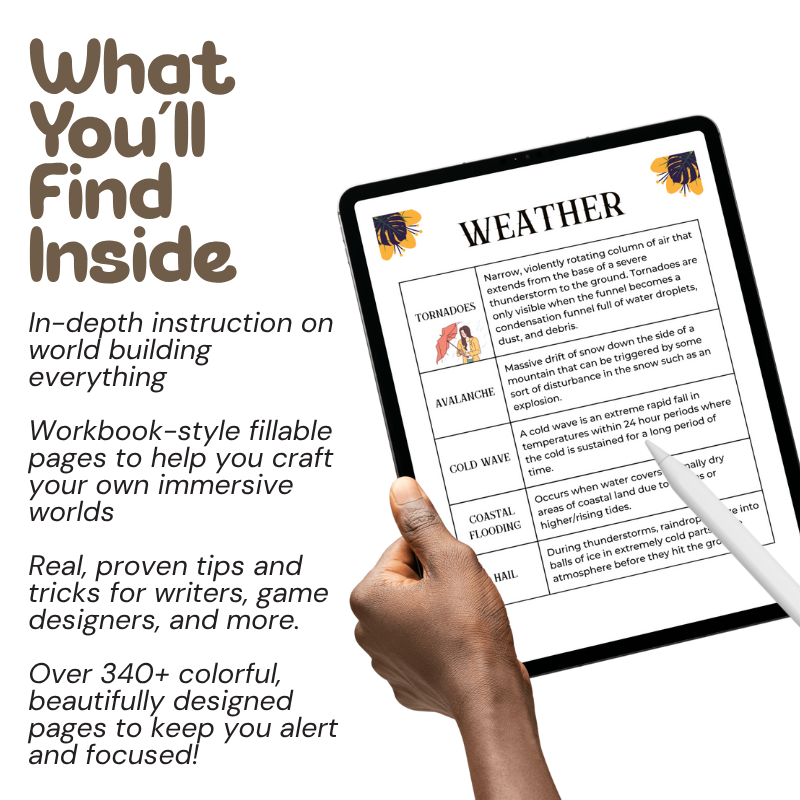
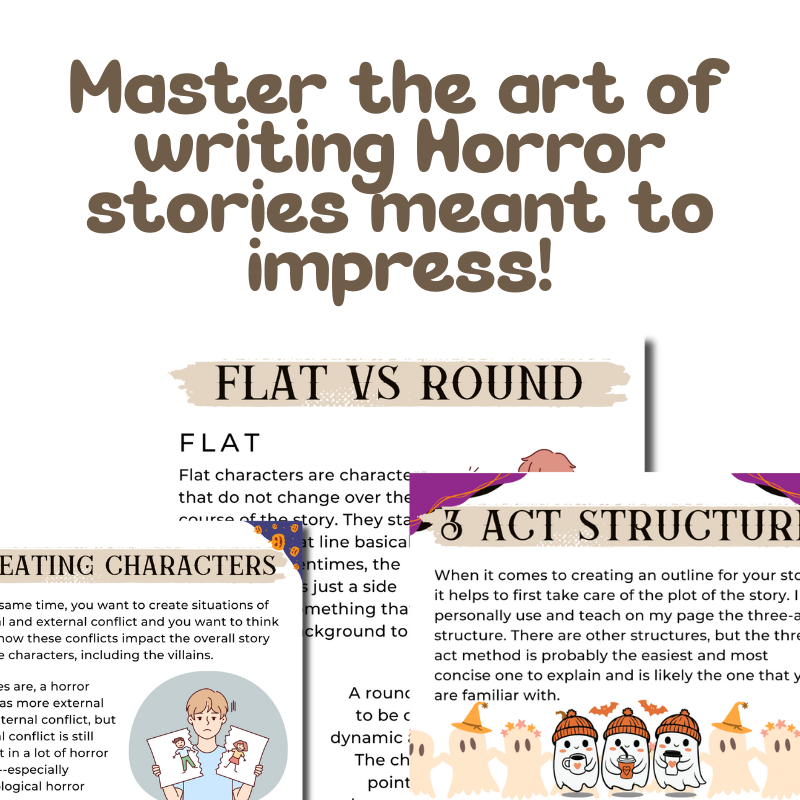
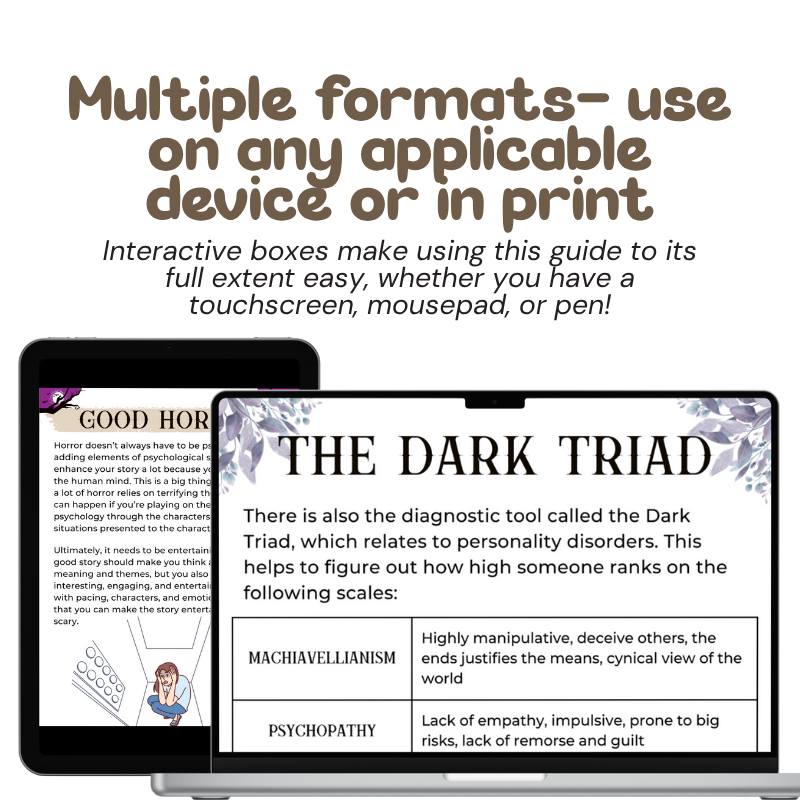
Key takeaway: Check out the Zainah Yousef Ultimate Writing Guides for some extra pizzaz and inspo when you feel stuck!
6. Try Out Creative Exercises
A lot of the time, our brain just needs a bit of powering up. It’s kinda like a pressure washer in that you need to start up the motor. Sometimes, the motor starts up fast. Other times, not so much.
Your brain is pretty similar to a motor, and it can get a bit tired of doing stuff in general. Creative exercises are some good ways to get that internal motor of yours working. Maybe you can try out a writing prompt or you can try to do something like word associations. Whatever your creative exercise might be, it’s going to help invigorate your imagination for sure.
Key takeaway: Creative exercises can help break writer’s block
7. Break Your Writing Into Smaller Tasks
Writer’s block can be exacerbated and fed more if you are overwhelmed and stressed about how much you need to write. It can seem like a really big deal to realize that you still need to write 80,000 words in your manuscript and you’ve only gotten 10,000 words. I write books over 100,000 words, so yeah, it can be a very daunting task often.
One way that can help is to take that really big goal and break it into smaller sets of goals. That’s actually something that I help walk you through in Sprint to a Novel in 30 Days, where you’ll get access to several strategy types to figuring out how to set easy-to-accomplish writing goals!
Key takeaway: Break writing down into smaller sets to stay motivated
8. Write a Random Scene in Your Book
Sometimes when you’re writing, you might feel like you actually need to write in chapter order. However, that’s not actually true.
Sometimes, you’ll just be sitting there and suddenly, you’ve got an idea for this scene but it’s close to the end. But you can see the entire thing in your head! Okay, go and write it down on a new document and save that document for when you get to that scene. You’ll have gotten this itch out of your brain and you’ll be able to focus on the main plot again.
Key takeaway: Writing out of order can sometimes inspire you to finish those slower scenes
9. Talk to Someone
A lot of the time, our brains just can’t think beyond a certain point. That’s why you should try and talk to a friend or family member about what’s going through your head and maybe give them a breakdown of where your story’s at.
My book, Malware, was made possible because I was able to bounce ideas with other people and come up with compelling ways to make my plotline more innovative and interesting! You can check out my books over at Amazon!
Key takeaway: Talking to someone else about your writer’s block can help you get your thoughts out
10. Take Care of Yourself
Stress, burnout, and self-doubt are all things that we as humans experience and it’s perfectly fine. But, you do need to keep in mind that stress can limit your ability to process and output things. That’s why if you’re going into an exam stressed beyond belief, something as simple as writing your name down seems like an impossible task.
Practice some mindfulness techniques like deep breathing exercises or meditation. You also need to make sure that you’re getting in regular exercise, eating healthy and balanced meals, and getting enough sleep.
Key takeaway: Take care of your brain and it’ll generate the ideas like a river
Want to Learn How to Write a Book in Just 30 Days?
Sprint to a Novel in 30 Days is your full toolkit, strategy, and crash course to writing a novel and staying on track. Inside, you’ll find:
✔️ 200+ pages of worksheets, instructional material, and free writing pages
✔️ A complete 30-day novel writing framework
✔️ Daily check-ins, premium writing prompts for inspo, and tips
✔️ Weekly reviews to track progress and stay accountable
✔️ Pre-writing tools to map your plot, world, and characters
✔️ Printable & digital fillable format (for your laptop, favorite apps, tablets, or paper)
You’ll build your book’s foundation, develop key story beats, stay on pace, and learn to write with clarity, confidence, and precision.
Grab the workbook agenda here! 👉 Sprint to a Novel in 30 Days